
🌲 EXPERT GUIDE: UPDATED 2026 COMPARE ALL TYPES TRUSTED PICKS
Pole Saws Buying Guide: The Right Saw for Every Yard
Pole saws make trimming overhead branches, clearing storm damage and shaping trees safer and faster, with no ladder needed. At Pole Saw Lab, we compare power, reach, weight, battery life and ease of use, so you can buy with confidence. Explore cordless, electric, gas and manual models to find the right fit for your yard and budget.
Pole Saw Lab participates in the Amazon Associates Program. We may earn a commission from qualifying purchases at no extra cost to you.
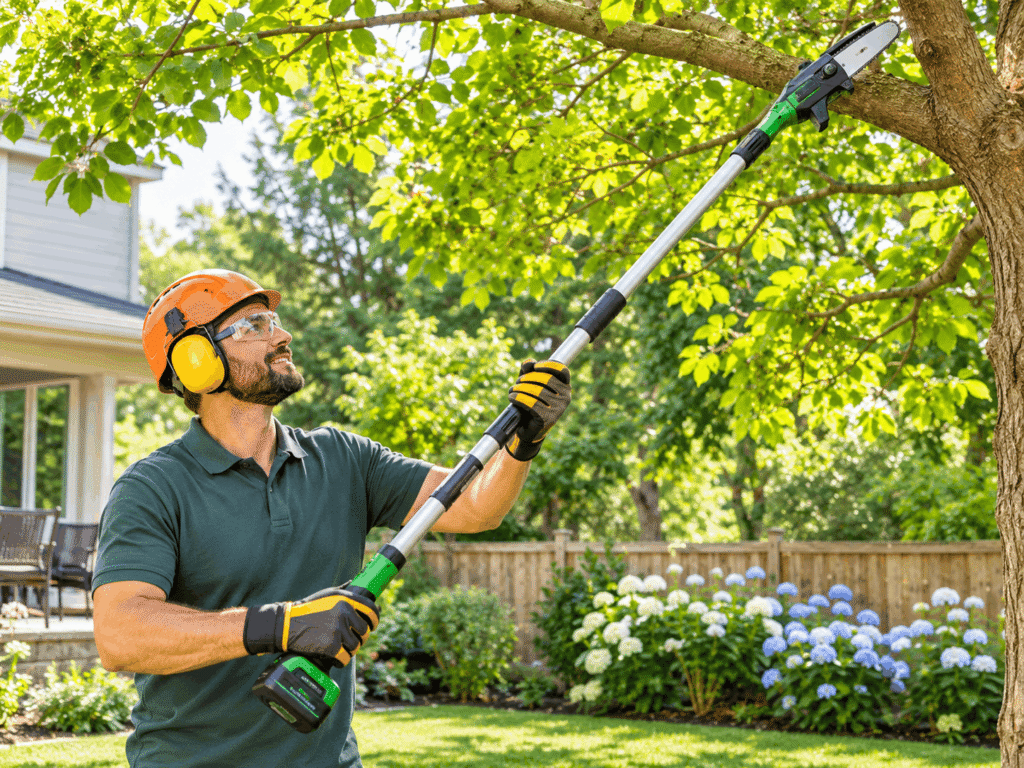
Best Pole Saws at a Glance
Not sure where to start? Choose the pole saw type that fits your yard, then open the full guide for detailed picks and comparisons.
Best Cordless Pole Saws
Quiet, portable and fuel-free. Ideal for medium-sized yards and regular pruning.
Best Electric Pole Saws
Lightweight corded options for small yards and light trimming.
Types of Pole Saws Compared
Pole saws come in four main types. Each one suits a different yard size, budget and level of effort. Here is how they compare.
Cordless pole saws
Battery-powered and cord-free, cordless pole saws are quiet and easy to move around the yard. They suit most homeowners, though runtime depends on battery size.
Pros: portable, low noise, low maintenance
Cons: limited runtime, battery cost
Electric (corded) pole saws
Corded models give steady power without batteries or fuel. They work well for smaller yards that are close to an outlet.
Pros: affordable, lightweight, consistent power
Cons: cord limits your reach
Gas pole saws
Gas pole saws offer the most power for thick branches and large properties. They are heavier and louder, and they need fuel and regular upkeep.
Pros: high power, long runtime
Cons: heavy, noisy, more maintenance
Manual pole saws
Manual pole saws need no power at all. They are simple, quiet and cheap, which makes them a good fit for occasional light pruning.
Pros: very low cost, no fuel or charging
Cons: physical effort, slower on thick branches
Cordless vs Electric vs Gas vs Manual
Not sure which type fits your yard? This quick comparison shows how each pole saw type stacks up on power, noise, weight and upkeep.
| Feature | Cordless | Electric | Gas | Manual |
|---|---|---|---|---|
| Power | Medium to high | Medium | Very high | Low |
| Noise | Low | Low | High | None |
| Weight | Medium | Light to medium | Heavy | Light |
| Upkeep | Low | Low | High | Very low |
| Best for | Most homeowners | Small yards | Large properties | Light pruning |
How to Choose the Right Pole Saw
Use these six checks to match a pole saw to your trees, your yard and your budget.
Reach
Measure the height of the branches you need to cut. Choose a saw that reaches a little beyond that, so you are not stretching at full extension.
Bar length
A longer bar cuts thicker branches but adds weight and is harder to control.
Safety features
Look for a chain brake, hand guard and a low-kickback chain.
Power source
Pick cordless for convenience, corded for steady power on a budget, gas for heavy work, or manual for light pruning.
Weight and balance
You hold the saw overhead, so a lighter, well-balanced model reduces fatigue.
Budget and warranty
Check the tool and battery warranty before you buy.
Pole Saw Safety Tips
Overhead cutting carries real risk, so protect yourself before you start.
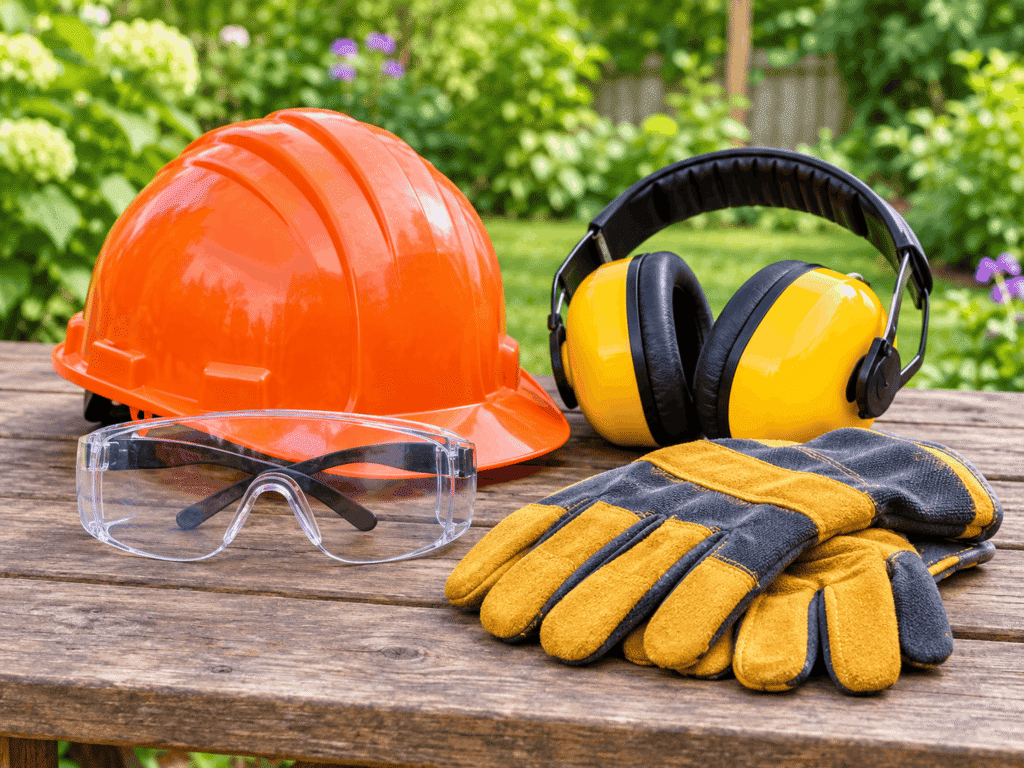
Important: Never use a pole saw near power lines. Treat every line as live and call a professional if branches are close to wires.
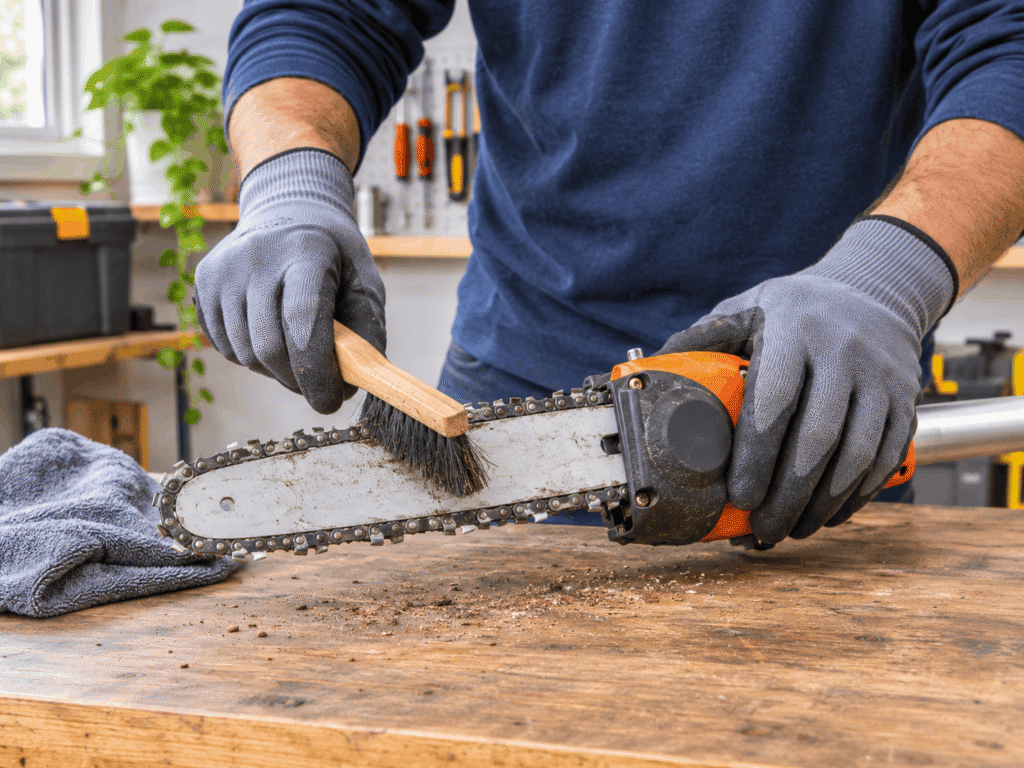
How to Maintain Your Pole Saw
A little care keeps your pole saw cutting cleanly and extends its life.
How We Choose Our Picks
At Pole Saw Lab, we compare pole saws on cutting power, reach, weight, runtime, safety features and value for money. We study manufacturer specifications, owner feedback and trusted expert sources to help you choose with confidence.
Pole Saw FAQs
For most homeowners, a cordless pole saw offers the best balance of power, portability and low upkeep.
Choose one that reaches a few feet beyond your highest branch, so you do not work at full extension.
Yes, with proper protective gear and technique. Never use one near power lines.
Cordless is quieter and easier to maintain. Gas is more powerful for thick branches and large yards.
Sharpen it when cutting slows, produces fine dust instead of chips, or pulls to one side.